What msme means?
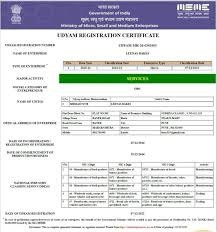
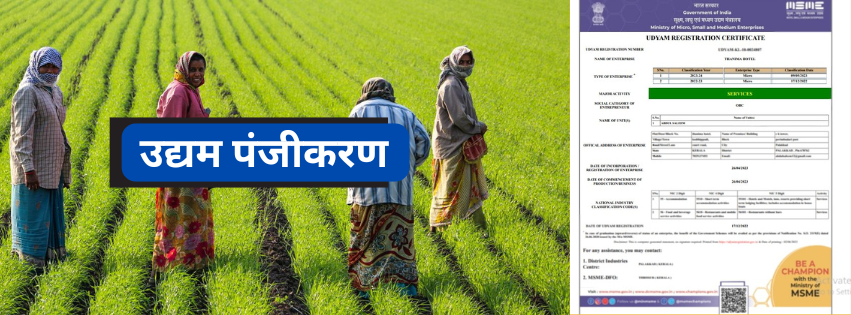
MSME stands for Micro, Small, and Medium Enterprises. These are businesses that are classified based on their investment in plant and machinery or equipment and their annual turnover. MSMEs play a crucial role in the economy by contributing to employment generation, innovation, and economic growth. Here’s a breakdown of the categories: 1. Micro Enterprises: 2. Small Enterprises: 3. Medium Enterprises: When UDYAM established? The concept of Micro, Small, and Medium Enterprises (MSME) /UDYAM was formally recognized in India with the introduction of the MSME Development Act of 2006. However, the promotion and development of small industries in India have a much older history, dating back to the pre-independence era. Below is a brief timeline of key events related to the establishment and recognition of MSMEs in India: Key Milestones in the Development of MSMEs in India: How msme works? MSMEs are often run by individual entrepreneurs or small teams, and their operations vary greatly depending on the type of industry. These businesses typically focus on: Why msme certificate is required? An MSME Certificate (also known as Udyam Registration Certificate) is important for several reasons, as it provides official recognition of a business as a Micro, Small, or Medium Enterprise (MSME)/UDYAM. This certificate not only signifies the size and scale of the business but also unlocks numerous benefits that can help businesses grow, expand, and thrive. Reasons Why MSME Certificate is Required: Subsidies and Financial Assistance: UDYAM-certified businesses are eligible for various government schemes that offer subsidies, loans, and financial support at lower interest rates. Loans with Lower Interest Rates: Financial institutions are more likely to offer loans and financial products to MSMEs that are registered. The Udyam Certificate enhances your credibility and makes it easier to obtain loans with favorable terms.Many government projects and tenders offer priority to UDYAMEs, allowing small businesses to bid for contracts that may otherwise be inaccessible. The MSME Development Act, 2006 allows businesses to file complaints against buyers who delay payments beyond 45 days. This legal protection ensures that MSMEs can maintain a stable cash flow and reduce the risk of delayed payments that could harm their business. It also helps create trust among investors, stakeholders, and other entities that the business is registered and compliant with governmental policies. Who issues msme certificate? The MSME Certificate (also known as the Udyam Registration Certificate) is issued by the Ministry of Micro, Small, and Medium Enterprises (MSME), which is a part of the Government of India. The process of registration and certification is handled through the Udyam Registration Portal , which is the official online platform provided by the Government of India. The certificate is automatically generated once a business completes the registration process. Which udyam is most profitable? The profitability of an MSME (Micro, Small, and Medium Enterprise) depends on several factors, including the industry, business model, location, market demand, and how efficiently the business is managed. That said, some sectors generally have higher profit margins or more potential for growth due to increasing demand, technological advancements, or government support. The most profitable MEs tend to be in sectors with high demand and growth potential. Some profitable sectors include: Profitability depends on market demand, operational efficiency, and government support. udyog aadhar registration aadhar udyog msme certificate aadhar udyam udyog aadhaar udyam register update udyam registration certificate msme registration udyam registration certificate download udyam registration udyam registration online